Echoes in the Hinoki Grove: Kyoto Beyond the Shrines
Published: October 14, 2024 • 9 Min Read • By Editorial Board
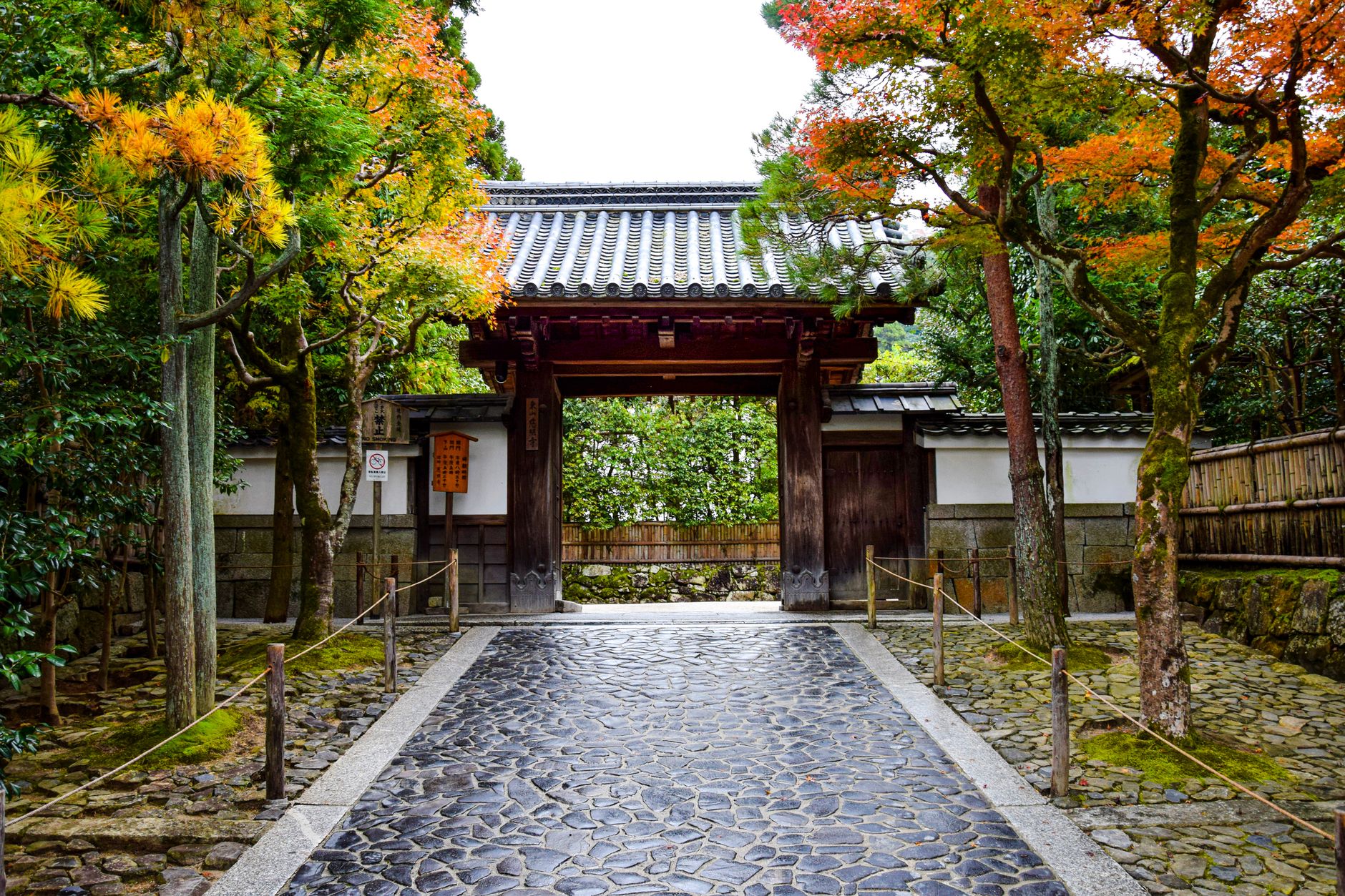
To encounter Kyoto as a living architectural sanctuary rather than a museum relic, one must wake while the city's river fog still hangs over the Kamo.
The Reverence of Wood
In the northern outskirts of Kyoto, past the crowded avenues of Gion, the mountain slopes rise sharply in tiers of Japanese cypress—Hinoki—and cedar. Here, master carpenters still work using hand planes that produce shavings translucent as silk paper. Wood is not treated as a raw industrial commodity, but as a respiratory organism that continues to adjust to moisture and temperature for centuries.
Walking inside a classical machiya townhome restored with unlacquered pine, the acoustic environment shifts immediately. The urban rumble fades into a muted resonance where footfalls across tatami echo with deliberate stillness.
Curated Stops for the Solitary Voyager
For visitors intending to spend days rather than hours observing regional craft, we recommend focusing on three understated districts:
- Takagamine: Renowned for historical retreats originally established by the artist Hon'ami Kōetsu in 1615. The circular and square windows of Genkō-an frame seasonal transitions with geometry unmarred by excess ornamentation.
- Ohara Valley: Located north of the central basin, famous for its rural stone paths, cold mountain streams, and the indigo dyers of northern Kansai.
- Uji Byways: Beyond the famous Phoenix Hall, walk along the southern bank where seventh-generation tea farmers tend terraced fields shaded with straw reed mats.
Modern travel often demands consumption; Kyoto gently demands restraint. When leaving your footwear at the threshold of a wooden veranda, the journey begins not outward toward sight-seeing, but inward toward attention.