Smoke, Clay, and Agave: An Oaxacan Culinary Cartography
Published: December 18, 2024 • 10 Min Read • By Editorial Board
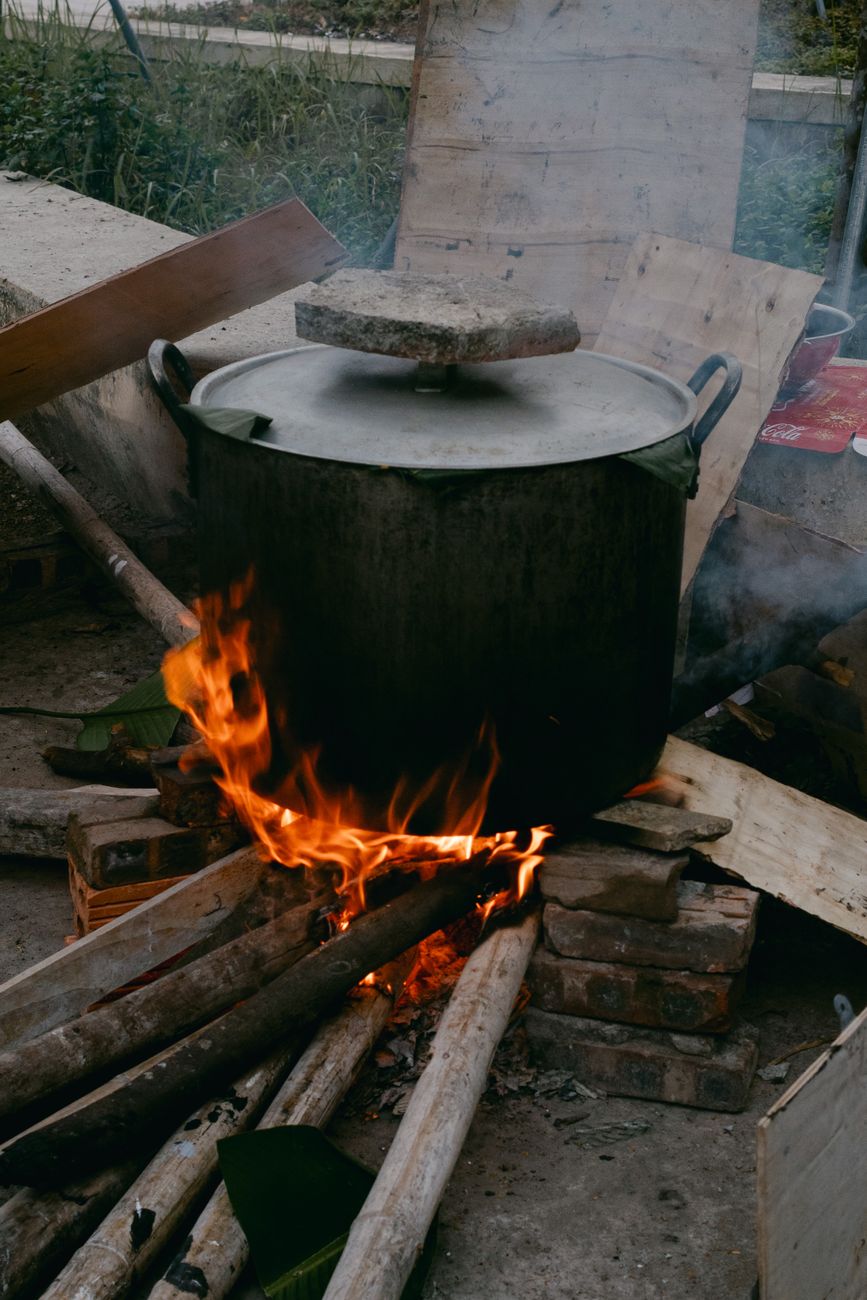
In Oaxaca, culinary craft is geological. Dishes are born not on stainless steel surfaces, but on red clay comals heated by oak charcoal and nurtured through generational memory.
Biodiversity as Living Art
Mexico's Central Valleys represent one of the world's ancient cradles of agriculture. Here, indigenous farmers protect over 35 distinct heritage maize varieties—kernels ranging from deep obsidian purple to golden amber and pale rose. Nixtamalization, the pre-Hispanic chemical process using lime mineral water, unlocks nutritional value and releases the unforgettable aroma of warm corn at dawn.
We spent time in Teotitlán del Valle, observing how traditional kitchens integrate woven textiles, natural cochineal dyes, and stone metates smoothed by decades of grinding roasted chilies, cacao beans, and cinnamon.
The Patience of Ancestral Mezcal
Far from the industrial distilleries of central spirits companies, ancestral mezcal is distilled in earthen pots sealed with pine resin. An Espadín agave plant takes between seven and twelve years to mature; wild varieties like Tobalá require up to fifteen years before harvesting.
- The Earth Pit: Conical pits lined with volcanic stones where agave hearts roast underground for five days beneath river stones and fiber bags.
- Hand Milling: Crushed with heavy wooden mallets inside hand-hollowed pine trunks rather than motorized tractor wheels.
- The Sip of Reverence: Mezcal is not consumed as a rapid shot; it is sipped slowly, kissed like morning dew, paying homage to the plant's decade-long life under the sun.
Oaxaca reminds the hurried traveler that flavor cannot be rushed by modern technology without losing its soul in transit.